
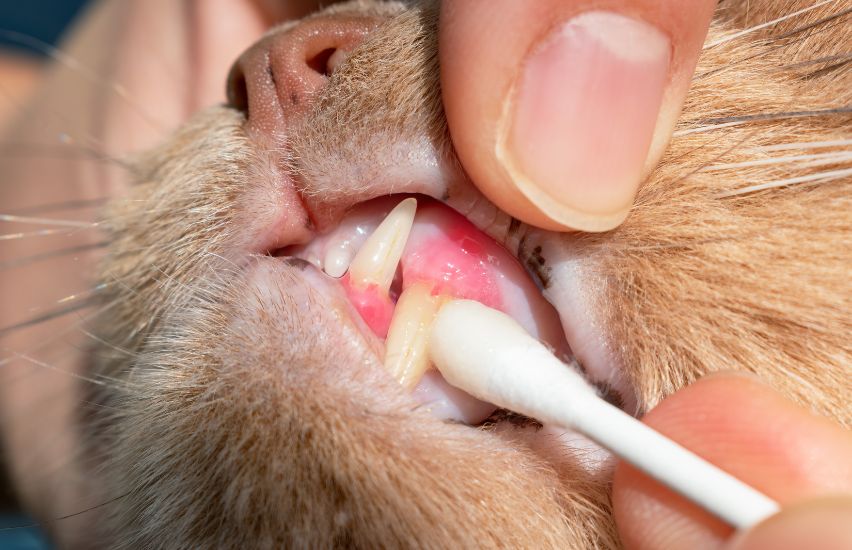
Cats are stoic animals. They rarely show obvious signs of pain, even when suffering from serious conditions. That’s what makes feline stomatitis so dangerous — many cats live with chronic, severe oral pain for months or even years before their owners realize something is wrong.
If your cat has been drooling more than usual, avoiding food, or seeming out of sorts, feline stomatitis in Charleston, SC, may be worth discussing with a veterinary dental specialist. This guide covers everything you need to know about this painful condition — what causes it, how it’s diagnosed, and what treatment options are available.
What Is Feline Stomatitis?
Feline stomatitis is a severe, chronic inflammatory condition affecting the tissues inside a cat’s mouth. Unlike mild gingivitis or occasional gum sensitivity, stomatitis causes intense, widespread inflammation that often affects the gums, tongue, throat, and the tissue in the back of the mouth near the throat — an area called the caudal oral mucosa.
The condition can vary in severity. In mild cases, cats may show early signs like bad breath or minor discomfort. In advanced cases, the inflammation becomes so severe that even swallowing becomes painful. The lining of the mouth may appear bright red, raw, and deeply ulcerated.
Feline stomatitis is not contagious to other pets or to humans, but it is considered one of the most painful oral diseases affecting domestic cats. Without treatment, it significantly diminishes a cat’s quality of life.
Why Is Feline Stomatitis So Painful?
To understand why feline stomatitis causes such extreme discomfort, it helps to understand what’s happening in the mouth at a tissue level.
In a healthy cat’s mouth, the immune system maintains a careful balance with the bacteria that naturally live on teeth and gums. In cats with stomatitis, this balance breaks down. The immune system mounts an exaggerated, self-destructive response to normal oral bacteria — essentially attacking the tissues of the mouth itself.
The result is an intense inflammatory reaction that damages the delicate mucosal lining of the mouth. Nerve endings become exposed, ulcers form, and even the act of opening the mouth can cause significant pain. Unlike a typical toothache that affects one tooth, stomatitis often affects the entire oral cavity simultaneously.
This widespread inflammation explains why affected cats may struggle to eat, groom themselves, or even close their mouths comfortably.
Common Signs of Feline Stomatitis in Cats
Because cats hide pain instinctively, stomatitis can be subtle in the early stages. As the disease progresses, however, most owners begin to notice behavioral and physical changes that prompt a veterinary visit.
Physical signs to watch for:
- Excessive drooling, sometimes tinged with blood
- Pronounced, persistent bad breath (halitosis)
- Redness, swelling, or bleeding around the gums and back of the mouth
- Visible ulcerations or sores inside the mouth
- Pawing at the mouth or rubbing the face
- Weight loss due to difficulty eating
Behavioral changes that may indicate oral pain:
- Reluctance to eat or sudden food avoidance
- Preference for soft foods over hard kibble
- Dropping food while chewing
- Decreased grooming (a cat in pain will often stop self-grooming)
- Increased irritability, hiding, or withdrawal
- Changes in social behavior toward family members
If you notice one or more of these signs in your cat, scheduling a dental evaluation with a veterinary dentist is strongly recommended. Early diagnosis and treatment can significantly improve outcomes.
What Causes Feline Stomatitis?
Despite extensive research, the exact cause of feline stomatitis is not fully understood. However, several factors are strongly associated with the condition.
Immune System Dysfunction
The most widely accepted explanation is that feline stomatitis results from an abnormal immune response to oral bacteria. In affected cats, the immune system becomes hypersensitive to plaque bacteria on the teeth and launches an exaggerated inflammatory attack. This immune-mediated response damages oral tissues rather than protecting them.
Viral Infections
Certain viral infections appear to increase a cat’s susceptibility to stomatitis. Feline calicivirus (FCV) and feline herpesvirus (FHV-1) are commonly associated with stomatitis cases. Feline immunodeficiency virus (FIV) and feline leukemia virus (FeLV) may also contribute by weakening the immune system’s ability to regulate inflammation appropriately.
Breed Predispositions
Some breeds appear more likely to develop stomatitis than others. Persian, Himalayan, Abyssinian, Somali, and Burmese cats are anecdotally noted to have higher incidence, though the condition can affect any breed or mixed-breed cat.
Plaque and Tartar Accumulation
Even though the root cause is immune dysfunction, plaque and tartar on the teeth appear to serve as triggers. The bacteria in dental plaque stimulate the immune overreaction. This is why dental cleaning and, in many cases, tooth extraction significantly reduce inflammation.
Treatment Options for Cats With Stomatitis
Feline stomatitis can be challenging to treat, and outcomes vary from cat to cat. Treatment aims to reduce inflammation, eliminate pain, and improve quality of life. The most effective approaches typically involve a combination of strategies.
Professional Dental Cleaning and Oral Evaluation
An in-depth oral examination and professional dental cleaning under anesthesia are typically the starting points for diagnosis and initial treatment. Dental radiographs allow the veterinarian to assess the health of tooth roots and bone below the gumline — areas that are invisible during a standard visual exam.
Medical Management
In mild to moderate cases, anti-inflammatory medications, immune-modulating drugs, or pain management protocols may provide temporary relief. Antibiotics are sometimes used to reduce the bacterial load in the mouth. However, medical management alone often provides only short-term improvement, as it does not address the underlying immune response to tooth-associated bacteria.
Tooth Extraction
Extensive or full-mouth tooth extractions are considered the most effective long-term treatment for feline stomatitis. By removing the teeth, the primary bacterial trigger for the immune reaction is eliminated. Studies suggest that approximately 60–80% of cats experience significant or complete resolution of stomatitis symptoms following full-mouth extractions.
Many owners understandably worry about their cat’s quality of life without teeth. In practice, most cats adapt remarkably well. Cats can eat wet food without difficulty, and many quickly return to eating dry food as well. The absence of chronic, severe pain typically results in a dramatic improvement in overall health and demeanor.
Laser Therapy
Therapeutic laser therapy is sometimes used as an adjunct treatment to help reduce inflammation and promote healing in oral tissues. It is typically used alongside other treatments rather than as a standalone solution.
Can Feline Stomatitis Be Prevented?
While there is no guaranteed way to prevent feline stomatitis — particularly since the condition involves immune dysfunction that may be partially genetic — there are steps cat owners can take to support oral health and reduce risk factors.
Regular Dental Care
Routine professional dental cleanings help control plaque and tartar accumulation, reducing the bacterial stimulus that can trigger or worsen stomatitis. At-home dental care, such as regular tooth brushing using cat-safe toothpaste, can also help.
Viral Screening and Vaccination
Testing for FIV and FeLV and vaccinating appropriately for feline calicivirus and herpesvirus may reduce the risk of viral-associated stomatitis. Keeping cats indoors reduces exposure to infectious diseases.
Routine Oral Examinations
Annual oral health examinations allow veterinarians to identify early signs of oral disease before they progress. Catching stomatitis in earlier stages often means more treatment options and better outcomes.
Frequently Asked Questions
Feline stomatitis is a severe inflammatory condition affecting the tissues inside a cat’s mouth. It can cause significant pain and make eating and grooming difficult.
Early signs often include drooling, bad breath, difficulty eating, mouth sensitivity, weight loss, and changes in behavior.
Yes. Feline stomatitis is considered one of the most painful oral diseases affecting cats and often requires veterinary treatment.
Excessive drooling may indicate oral pain, inflammation, dental disease, or feline stomatitis and should be evaluated by a veterinarian.
Many cats experience significant improvement after treatment. In severe cases, tooth extractions may provide long-term relief and improved quality of life.
Not every cat requires extraction, but many severe cases benefit from partial or full-mouth extractions when inflammation cannot be controlled with medical management alone.
Diagnosis typically involves a comprehensive oral examination, dental radiographs, and evaluation of the severity of inflammation.
If your cat is drooling excessively, avoiding food, losing weight, showing oral discomfort, or experiencing bad breath, a dental evaluation should be scheduled promptly.
If you suspect your cat may be living with oral pain, early evaluation is always better than waiting. The team at Veterinary Dental Care specializes in diagnosing and treating feline stomatitis in Charleston, SC, and surrounding communities.
Learn more about understanding and preventing FORLs in cats, another painful dental condition that may affect your cat. Contact us today to schedule a consultation and give your cat the relief they deserve.