
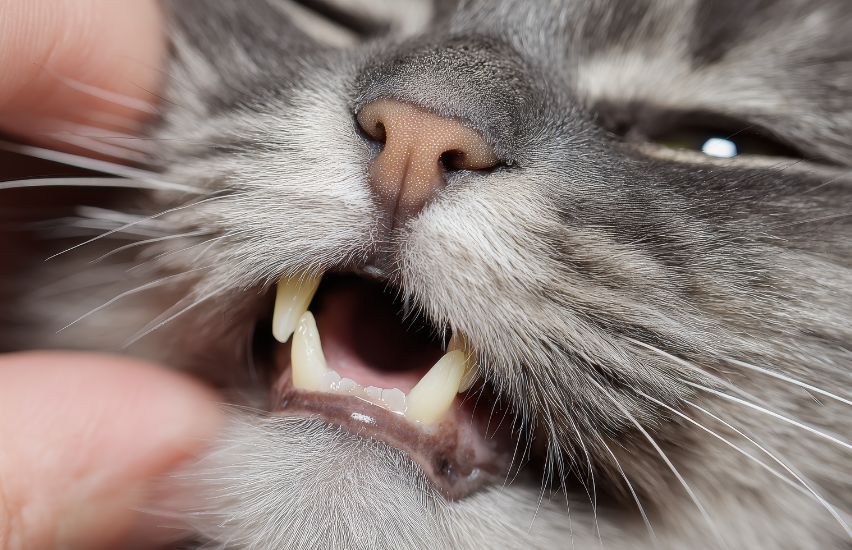
A broken or damaged tooth is more than a cosmetic concern for your pet — it’s a source of real, ongoing pain. Unlike humans, who can communicate discomfort, dogs and cats tend to hide dental pain until the problem becomes severe. By the time owners notice something is wrong, the tooth may have been hurting their pet for weeks or even months.
If your dog or cat has suffered a tooth injury, the good news is that extraction isn’t always the only answer. Root canal therapy for pets in Charleston is a well-established veterinary dental procedure that can preserve a damaged tooth while eliminating pain and preventing infection.
What Happens When a Pet Damages a Tooth?
Pets’ teeth are structured similarly to human teeth — a hard outer layer of enamel and dentin surrounds an inner chamber called the pulp. The pulp contains nerves, blood vessels, and connective tissue that nourish the tooth.
When a tooth is cracked, fractured, or worn down to the point where the pulp is exposed, bacteria can enter the tooth and cause infection. This infection is not only painful but can also spread to the surrounding bone, the jawbone, and even other organs if left untreated.
Tooth fractures in dogs are extremely common, particularly in:
-
- Dogs who chew on excessively hard objects (antlers, bones, ice cubes, hooves)
-
- Working dogs and sporting breeds with high-impact activity
-
- Cats who suffer trauma, falls, or fights
Even minor fractures that appear superficial can result in pulp exposure. Any crack that extends into the dentin — the layer beneath the enamel — has the potential to cause pain and eventual infection.
Can a Damaged Tooth Be Saved?
In many cases, yes. Whether a damaged tooth can be saved depends on several factors:
-
- The type and extent of the fracture
-
- Whether the pulp has been exposed or infected
-
- The overall health of the surrounding bone and gum tissue
-
- The time elapsed since the injury occurred
-
- The age and general health of the pet
Root canal therapy is most effective when performed promptly after a tooth fracture is identified. When a fracture is detected early — before significant infection or bone loss has developed — the prognosis for preserving the tooth is generally excellent.
However, even teeth with some degree of infection can sometimes be treated successfully with root canal therapy and antibiotic support, depending on the extent of bone involvement seen on dental radiographs.
A veterinary dental specialist will evaluate the tooth using a thorough oral examination and dental X-rays to determine whether root canal therapy is appropriate for your pet’s specific situation.
Signs Your Pet May Have a Painful Tooth Injury
Dogs and cats are experts at masking pain. The following signs may indicate a dental injury that needs prompt attention:
Visible changes in the mouth:
-
- A tooth that appears darker or discolored (often gray, brown, or pink)
-
- A chipped, cracked, or broken tooth
-
- Bleeding from the mouth or around a specific tooth
-
- Swelling around the jaw or below the eye (particularly in dogs with upper carnassial tooth infections)
Behavioral and functional changes:
-
- Dropping food while chewing or avoiding chewing on one side of the mouth
-
- Reluctance to eat hard food or sudden preference for soft food
-
- Pawing at the face or rubbing the muzzle
-
- Changes in play behavior, particularly avoidance of tug toys or fetch items
-
- Persistent bad breath
-
- Facial swelling or asymmetry
Because these signs can be subtle, routine dental examinations are essential for catching tooth injuries before they progress into more serious problems.
When Is Root Canal Therapy Recommended?
Root canal therapy is typically recommended when:
1. A tooth has a fracture exposing the pulp (a “complicated crown fracture”)
2. A tooth shows signs of pulp death — often indicated by discoloration
3. A tooth has internal or external root resorption
4. An abscess is present but the tooth structure is still viable
5. Preserving the tooth is important for the pet’s function, behavior, or work duties
Root canal therapy may be especially valuable for:
-
- The large canine teeth (fangs) of dogs, which are important for gripping and function
-
- The upper fourth premolars (carnassial teeth) of dogs, which are used for chewing
-
- Any tooth that is functionally or behaviorally significant for that individual animal
-
- Police dogs, military dogs, or working dogs where tooth loss would impact their duties
The procedure itself involves removing the infected or damaged pulp tissue from inside the tooth, thoroughly cleaning and disinfecting the canal, and sealing it with a dental material to prevent reinfection. A crown or restorative filling is then placed to protect the tooth.
Root canal therapy is performed under general anesthesia, allowing the veterinary dentist to work with precision while keeping the patient comfortable and still.
Root Canal Therapy vs. Tooth Extraction
When a tooth is damaged, pet owners are often presented with two primary options: root canal therapy or extraction. Both are valid treatments, and the right choice depends on the individual tooth and patient.
Root canal therapy:
-
- Preserves the tooth’s structure and root
-
- Eliminates pain and infection within the tooth
-
- Maintains normal chewing function and bite mechanics
-
- May be more appropriate for functionally critical teeth (canines, carnassials)
-
- Requires follow-up radiographs to monitor healing
Tooth extraction:
-
- Completely removes the tooth and source of infection
-
- No risk of future root canal failure
-
- May be necessary when bone loss is severe or the tooth cannot be restored
-
- Can affect chewing mechanics, particularly when large teeth are removed
-
- Most pets adapt well to tooth loss over time
In many cases, root canal therapy is the preferred approach for teeth that are essential to normal jaw function. Your veterinary dental specialist will help you weigh the pros and cons based on your specific pet’s needs.
Benefits of Preserving Your Pet’s Tooth
Beyond eliminating pain, preserving a tooth through root canal therapy offers several important benefits.
Maintaining jaw structure: Tooth roots help stimulate bone. When a tooth is extracted, bone loss in that area can occur gradually over time. Keeping a tooth in place helps preserve the surrounding alveolar bone.
Better function: Large working teeth — particularly the canines and carnassial premolars — play an important role in how pets chew, grasp objects, and use their mouths. Preserving these teeth maintains natural function.
Comfort during recovery: Root canal therapy on a properly identified and treated tooth typically has a smoother recovery than a complicated extraction of a large, deeply rooted tooth.
Long-term durability: With proper treatment and follow-up, teeth treated with root canal therapy can remain functional and healthy for many years.
Frequently Asked Questions About Root Canal Therapy for Pets
In many cases, yes. Depending on the extent of the damage, root canal therapy may allow the tooth to remain functional while eliminating pain and infection.
Root canal therapy removes damaged or infected tissue from inside the tooth while preserving the tooth’s outer structure and function.
The best option depends on the tooth and overall oral health. Root canal therapy preserves the tooth, while extraction removes it entirely.
Signs may include tooth discoloration, oral bleeding, chewing changes, facial swelling, bad breath, or reluctance to eat hard foods.
Yes. Even when pets do not show obvious signs, fractured teeth can expose sensitive tissue and lead to significant discomfort.
Yes. Root canal therapy may be recommended for cats when preserving a healthy, functional tooth is the best treatment option.
With proper treatment and follow-up care, many teeth treated with root canal therapy remain healthy and functional for years.
If you notice a broken tooth, discoloration, swelling, oral bleeding, or changes in eating habits, a dental exam should be scheduled promptly.
Don’t wait to address a damaged tooth. The sooner a fracture is evaluated, the more treatment options are available. Learn about the best at-home dental tools for pets as a first step in keeping your pet’s mouth healthy. Our team of veterinary dental specialists offers root canal therapy for pets in Charleston and surrounding communities.
Contact us today to schedule a comprehensive dental evaluation and find out whether root canal therapy is the right option for your pet.