
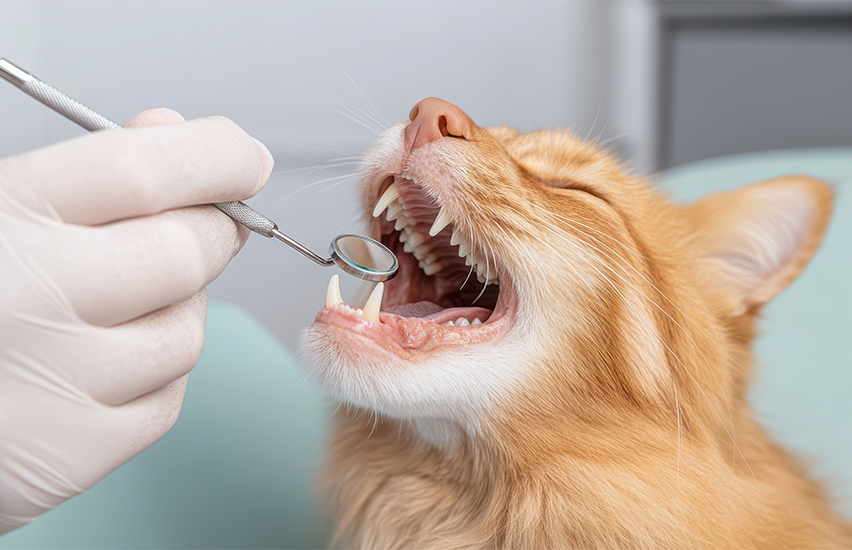
Scheduling a professional pet dental cleaning in Charleston, SC, for your dog or cat can bring up plenty of questions. What actually happens during the visit? Why is anesthesia needed? Will the team know if there is a problem below the gumline?
A professional pet dental cleaning is much more than brushing the visible surface of the teeth. It is a thorough oral-health procedure that allows a veterinary dental team to examine the mouth safely, clean areas a pet cannot tolerate while awake, and identify disease that may otherwise remain hidden.
Here is what pet owners can expect when their dog or cat comes in for a professional dental cleaning.
Step 1: An Examination and Pre-Anesthetic Planning
Before a dental procedure begins, the team reviews your pet’s health history and performs an examination. Pre-anesthetic lab work is an important part of planning, as it helps identify abnormalities that could affect the anesthetic plan.
Anesthesia is tailored to the individual patient. Your pet’s age, health status, medications, and the nature of the planned procedure all play a role in how the team prepares.
It is natural to feel concerned when anesthesia is recommended. But it is necessary for a complete and safe dental procedure. A dog or cat cannot hold still while the team examines beneath the gumline, takes dental X-rays, or uses water and dental instruments in the mouth. Anesthesia protects the patient, allows the work to be performed thoroughly, and helps manage pain appropriately.
Step 2: Anesthesia and Continuous Monitoring
Once your pet is anesthetized, the dental team can safely begin a full oral examination. During the procedure, the patient is monitored closely. At Veterinary Dental Care, the team monitors heart rate and rhythm, blood pressure, temperature, carbon dioxide, and oxygen saturation throughout the procedure.
An endotracheal tube is placed to protect the airway. This is especially important during cleaning because water is used in the scaling process. Intubation helps keep water out of the lungs and allows the team to use suction as needed.
The point is not simply to keep a pet asleep. It is to create the controlled conditions needed for an accurate examination and effective treatment.
Step 3: A Complete Examination of the Mouth
With your pet safely anesthetized, the team can examine every tooth, the gums, and the tissues inside the mouth. They look for signs of periodontal disease, fractured teeth, abnormal wear, resorptive lesions, swelling, oral masses, and other concerns.
This part matters because animals often continue eating and behaving normally even when they have a painful oral condition. They cannot tell us that one tooth hurts, that their gums bleed when they chew, or that they have started avoiding food on one side of the mouth.
A careful examination helps identify those problems before they become more serious.
Step 4: Dental X-Rays Reveal What You Cannot See
A large portion of every tooth sits below the gumline. That means a tooth can appear normal above the surface while the root or surrounding bone has significant disease.
Advanced imaging, cone beam CT, and full-mouth dental x-rays allow the veterinary dental team to evaluate:
- Tooth roots and the bone supporting them
- Hidden fractures
- Bone loss associated with periodontal disease
- Abscesses and other signs of infection
- Developmental abnormalities
- Problems that cannot be seen during a visual exam alone
Dental radiographs are one of the most important reasons anesthesia is required. A conscious dog or cat cannot safely hold an X-ray plate in the correct position, and attempting to do so would be stressful and unsafe.
Step 5: Scaling and Polishing
The actual cleaning includes scaling away plaque and tartar from the surfaces of the teeth and beneath the gumline. Cleaning below the gumline is essential because this is where periodontal disease begins and progresses.
After scaling, the teeth are polished. Polishing smooths the tooth surface, which makes it more difficult for plaque to cling to it as quickly after the cleaning.
It is important to understand that a cosmetic cleaning performed on an awake pet is not the same thing as a professional veterinary dental procedure. If the gums, roots, and areas below the gumline cannot be examined and treated, the underlying disease may still be missed.
Step 6: Treatment Decisions If Disease Is Found
Sometimes a cleaning confirms that your pet’s mouth is healthy apart from plaque and tartar. Other times, the examination and X-rays reveal issues that require additional treatment, such as periodontal therapy, an extraction, treatment for a fractured tooth, or evaluation of an oral mass.
The exact recommendation depends on the individual findings. When a tooth is beyond repair, extraction may be the best way to eliminate pain and infection. When a damaged tooth is still salvageable, a procedure such as root canal therapy may be considered.
The purpose of the dental procedure is not to perform unnecessary treatment. It is to identify what is truly happening in your pet’s mouth and address disease in the way that best supports long-term comfort and function.
Step 7: Recovery and At-Home Care
Recovery time varies by patient and by the work completed. Many pets begin returning to themselves relatively quickly after a routine dental procedure, though they should still be watched carefully as they recover from anesthesia.
If an infection is present or a more involved treatment is performed, your veterinarian may prescribe medications for pain control, inflammation, or infection. You will also receive instructions tailored to your pet’s procedure, including any temporary food or activity recommendations.
Professional Pet Dental Care Protects More Than a Smile
Fresh breath is a nice benefit, but a professional dental cleaning is really about comfort, health, and quality of life. Regular oral examinations and care can help catch painful dental conditions early, before they lead to tooth loss, infection, or more complicated treatment.
If your pet is due for a dental evaluation, has persistent bad breath, seems reluctant to chew, or has visible tartar or gum inflammation, contact Veterinary Dental Care. We serve pet owners throughout Charleston and the Lowcountry with specialized dental care for dogs and cats.